Spaysis
Overview
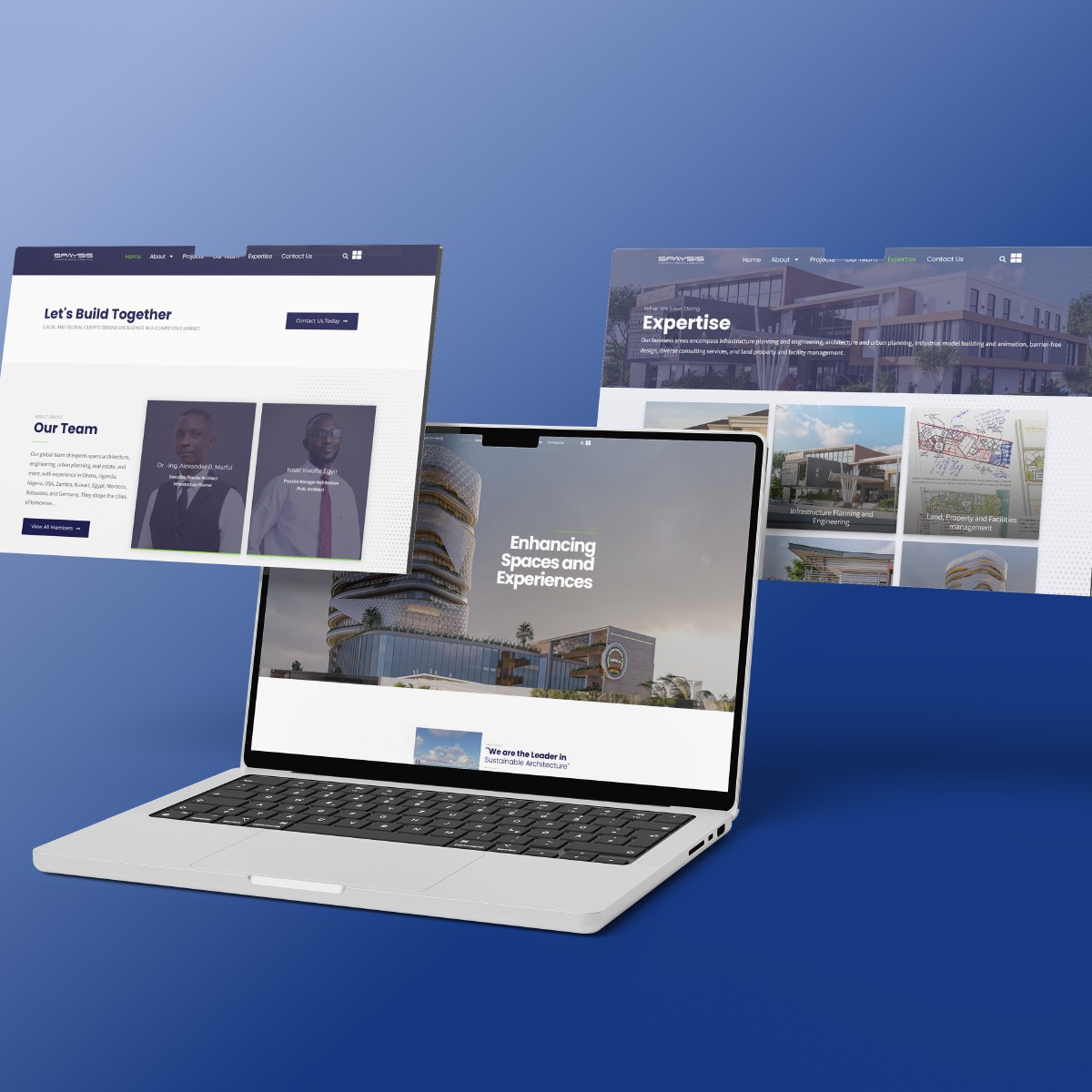
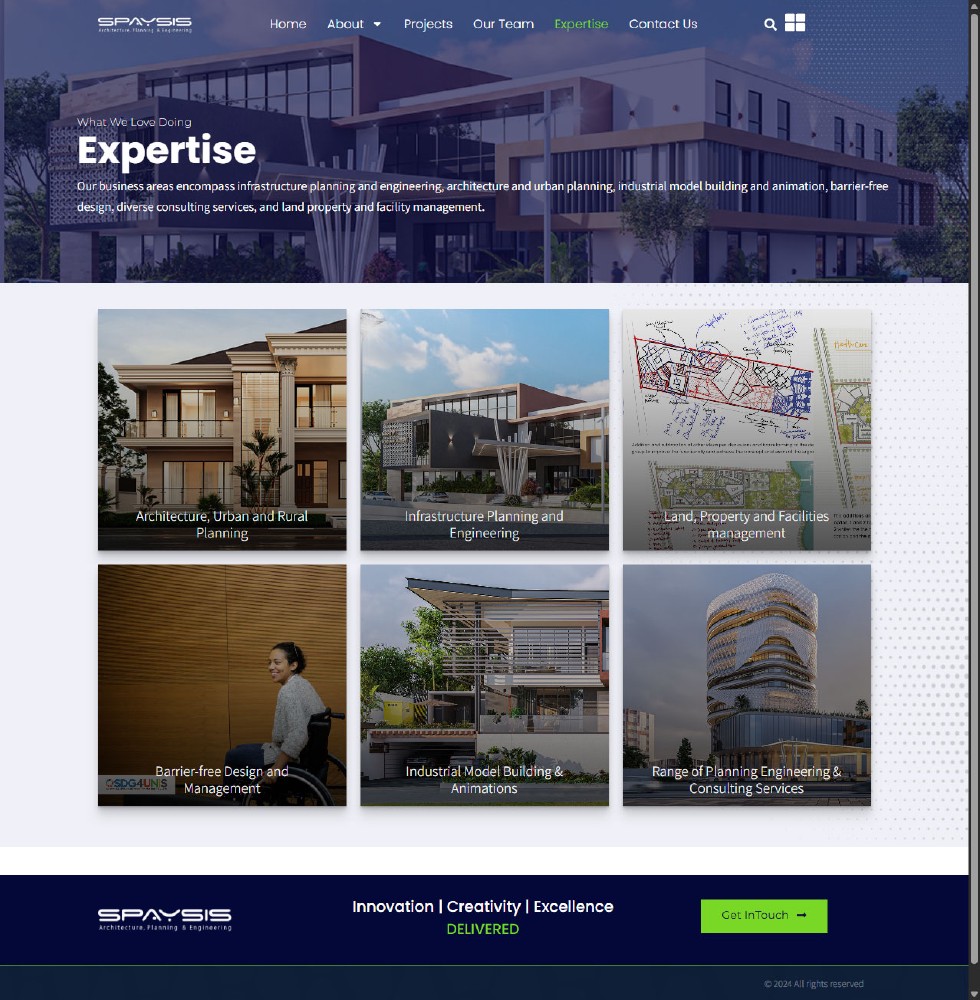
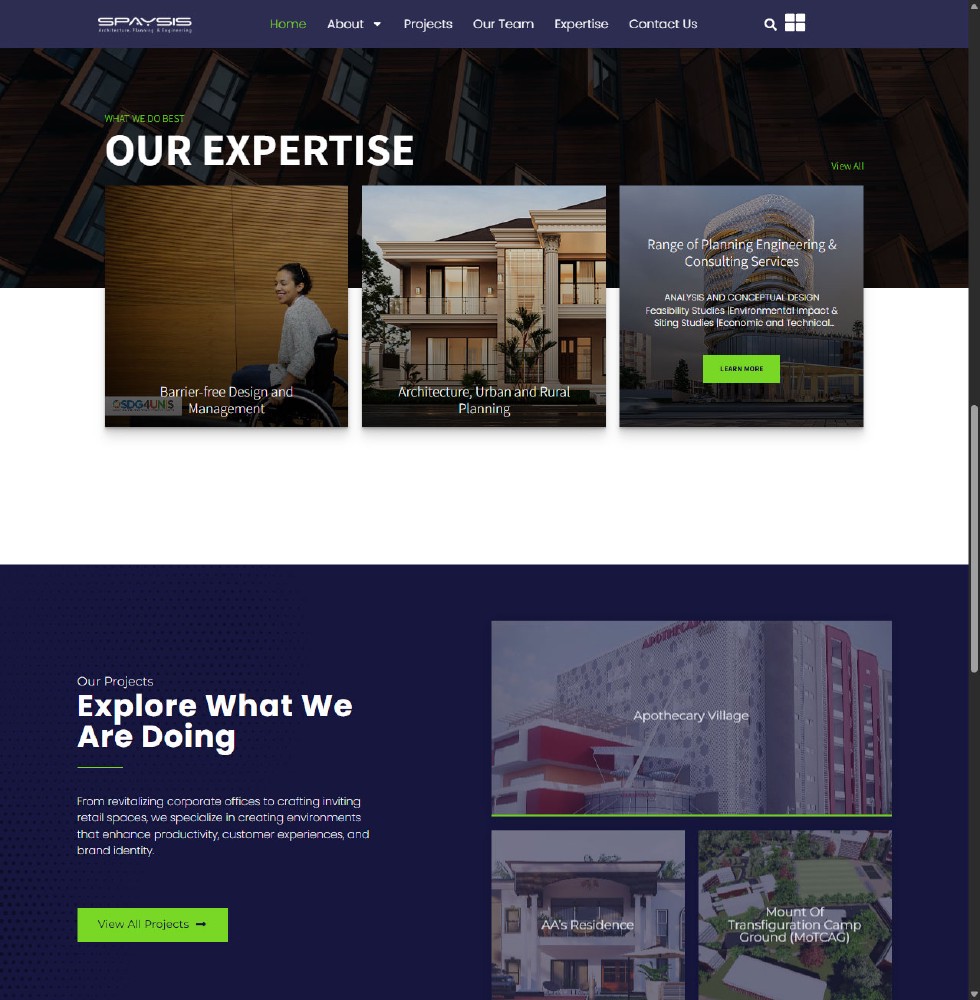
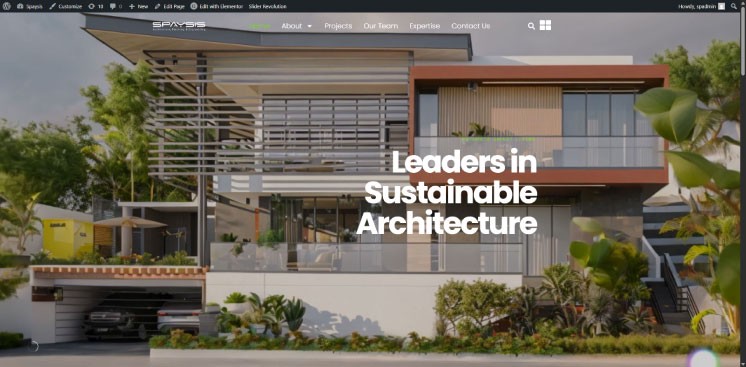
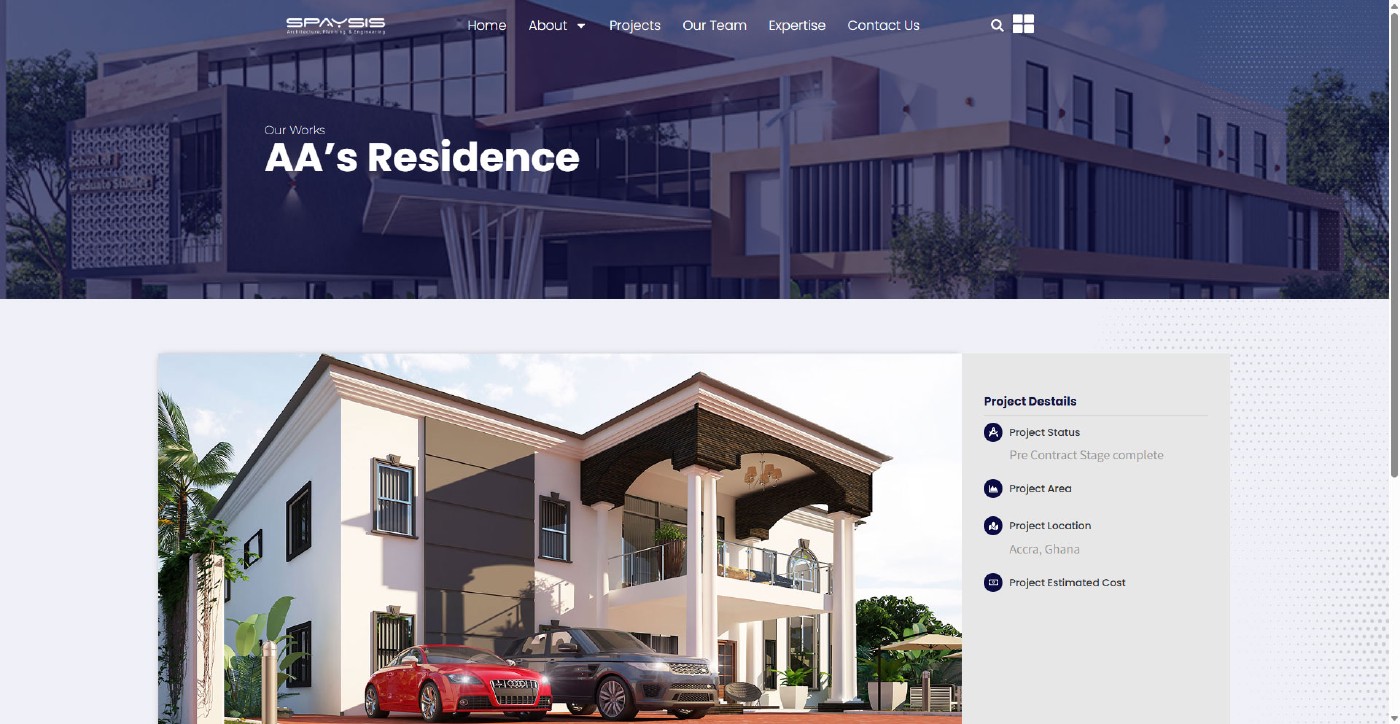
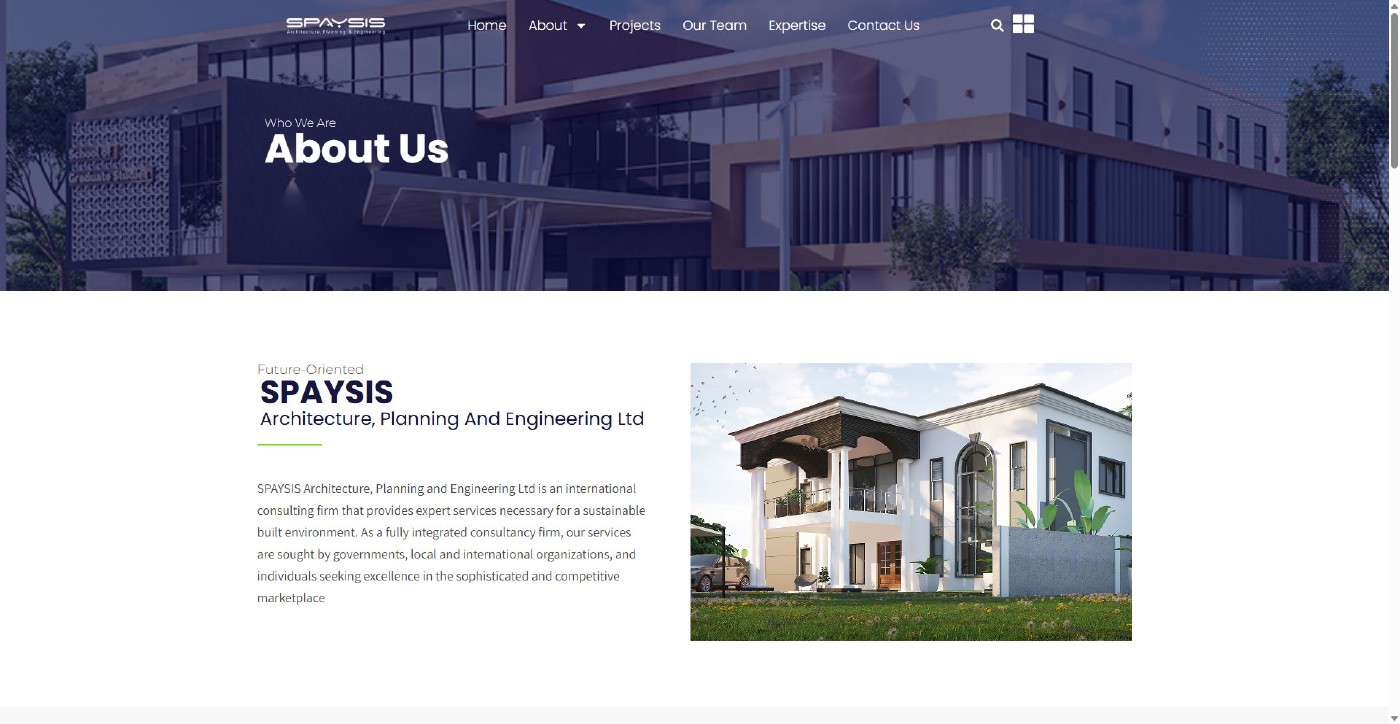
A complete architectural shift for Spaysis, migrating from a rigid Laravel framework to a highly customized, user-centric WordPress environment. The mission was to provide a "cleaner UX" without losing the complex data relationships of the original site
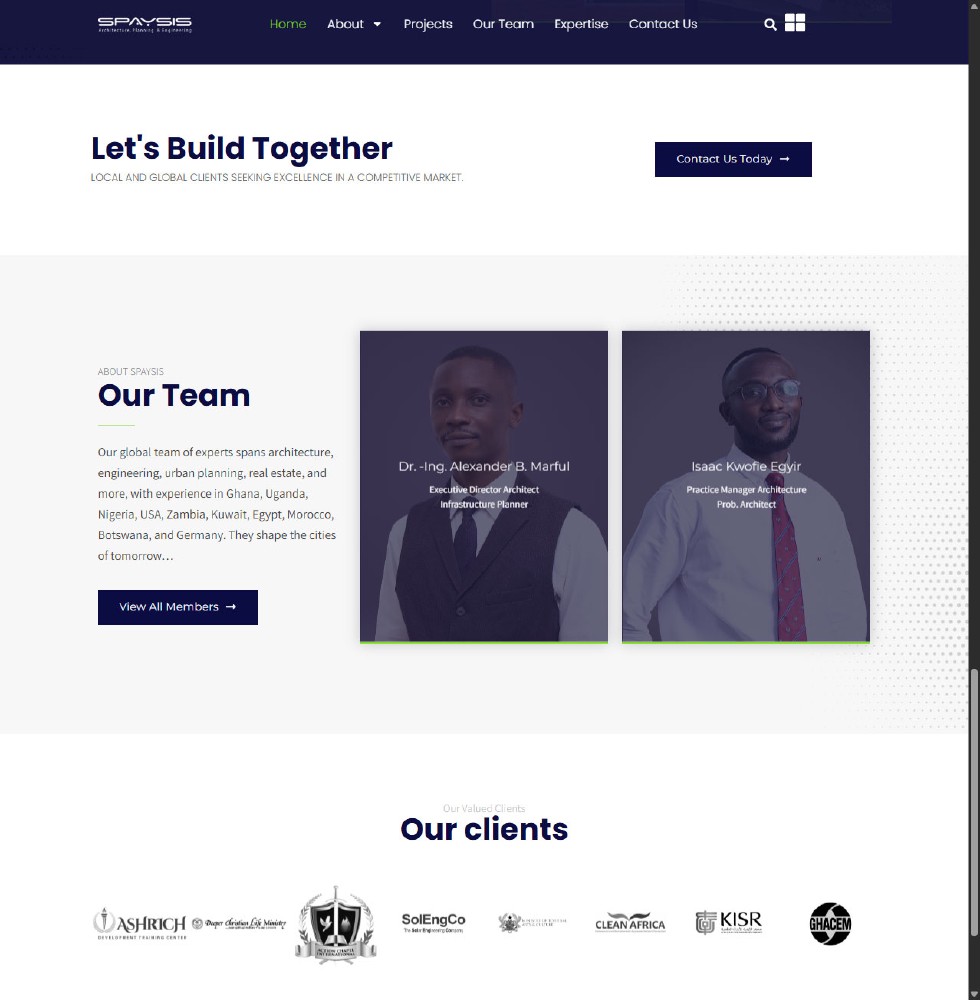
Before vs. After


I began by mapping Laravel’s relational database to WordPress Custom Post Types (CPTs). The
challenge was maintaining the connections between Team members, their Expertise, and specific
Projects.
By building custom plugins rather than using off-the-shelf themes,
I ensured the site was 'reliable' and tailored specifically to the client's internal workflow.

The goal was to ensure the backend was as clean as the frontend, allowing for a “fill-in-the-blank”
update experience.
After selecting the strongest architectural direction, I refined the composition digitally, tightening the UX, performance, and cross-device alignment.
The design was optimized to read clearly across all platforms, ensuring the "Team" and "Projects" sections remained effective and legible on mobile and desktop.

Results
Spaysis required the power of their original Laravel backend but the accessibility of a CMS. The goal was to migrate complex relational data into a user-friendly, high-performance interface.
Tools

Design objectives
- Map Laravel data structures into WordPress CPTs without losing relationships
- Preserve performance while removing clutter and redundant UI elements
- Make content updates fast and predictable for non-technical editors
- Align the interface with the existing brand’s quality-first aesthetic
Impact metrics
- Speed: Faster load times due to de-cluttered, custom-coded plugins
- Usability: A cleaner UX that allows the client to update core content in seconds